 Find a Dealer
 1300 726 284
 Request a Quote
 Search


Your guide to planning permissions for farm sheds
Wondering if you need a permit for a farm shed? In most cases, you’ll need at least one approval, although some states offer generous exemptions for agricultural buildings on working farms. Whether your project qualifies depends on your location and the shed’s intended use, with size often tipping the balance.
This guide is for farmers and rural landholders planning a new shed, from a simple hay shed to a large machinery building. We’ll explain how zoning shapes your options and walk through the council approval process. We’ll also cover the key rules in each state, plus the site checks worth doing early.
Getting approvals sorted before beginning construction protects your investment and saves you from fines or a costly fix when it’s time to sell.
Do farm sheds need planning permission?
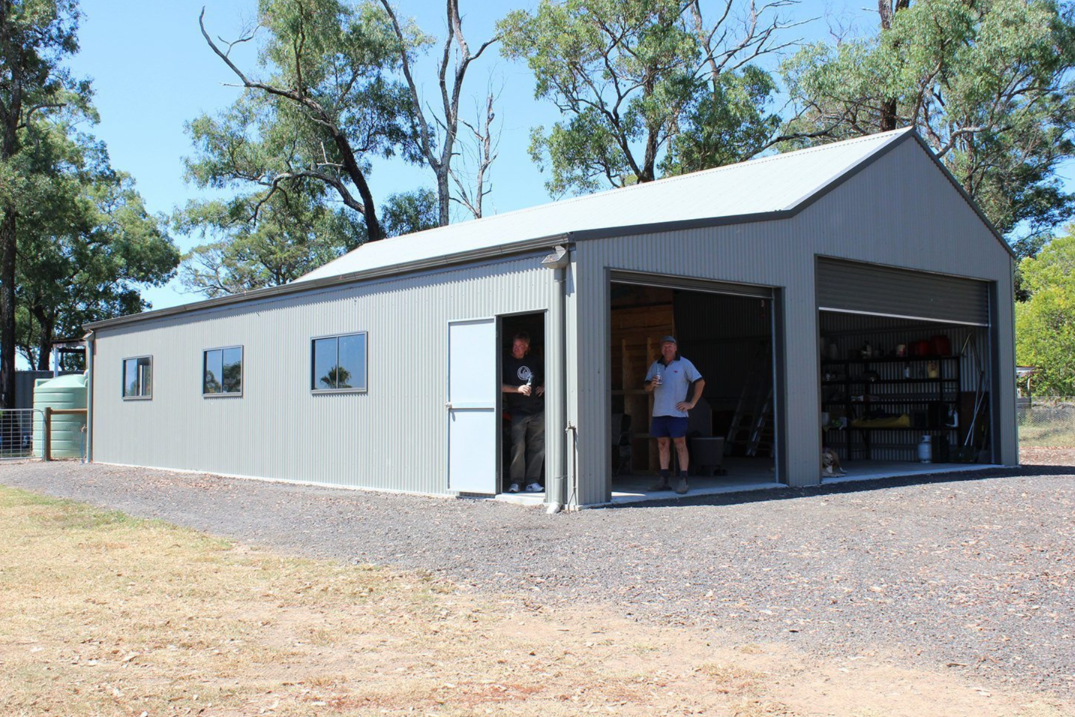
Planning permission and building approval are two separate checks, and a farm shed may need both.
- Planning permission (a development approval in some states, a planning permit in others) looks at whether the use and location suit the land.
- Building approval, often called a building permit, confirms the structure meets the building code and building standards.
An exemption from one doesn’t automatically cancel the other. Check both before you commit to a design.
How zoning and intended use shape the rules
Your zoning is the starting point. Sheds on rural land zoned for agriculture usually face different rules than sheds in residential areas, where a shed is treated as an outbuilding to the main house. In NSW, for example, the farm building exemptions only apply in certain rural zones.
What the shed is used for matters too. Buildings used for farming are classified by their intended purpose, so a storage shed can be treated quite differently from one used for processing produce. Be clear about the intended use of your rural sheds from the first conversation with your local council.
Overlays can bring additional requirements. Heritage listings and environmentally sensitive land can remove exemptions or trigger a full development application, so check your property report before you start planning.
What does the council approval process involve?
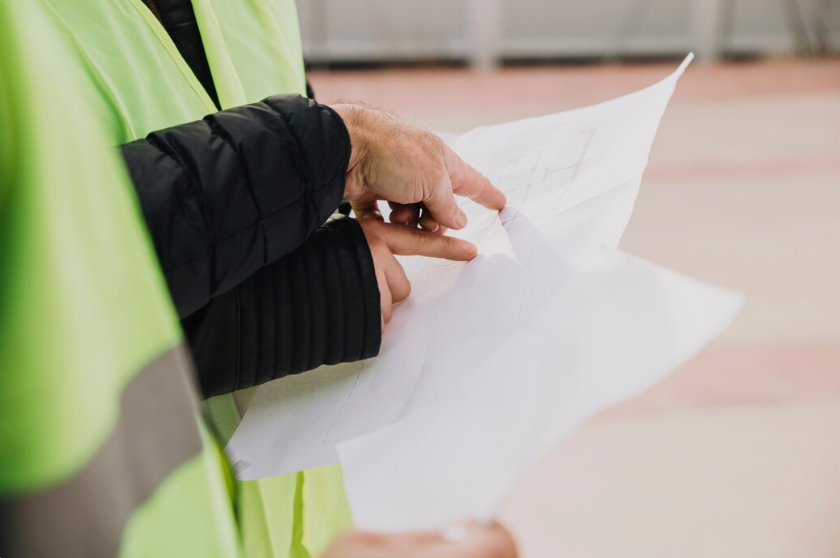
The quickest way to answer “do I need a permit for a farm shed” for your own block is to follow the same steps every state uses, even though the paperwork has different names. Here’s how the whole process usually runs.
- Check the local rules. Ask your local council for a planning certificate or property report showing your zone and overlays, and confirm the council requirements for your area.
- Prepare site plans. Show where the proposed shed will be located, its floor area and height, and its distance to property boundaries and other structures so setback requirements can be checked. Councils have specific requirements for what these drawings include.
- Lodge your planning application. If planning permission is needed, submit a development application or planning permit application to the council.
- Lodge your building approval application. A council building surveyor or a private certifier checks the engineering drawings and confirms the shed complies with building regulations.
- Build and get signed off. Your certifier may inspect key stages, such as the footings, before final approval.
Most delays come from incomplete permit applications, so gather drawings and site details before you lodge. Every Ranbuild shed is engineered to meet Australian standards, and your local Ranbuild dealer can help you understand the requirements for your site and council.
Farm shed rules state by state
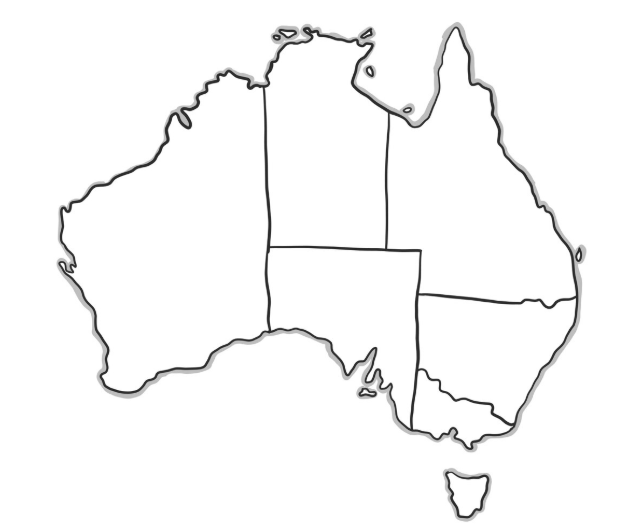
Each state sets its own regulatory requirements, and councils can add local regulations on top. Use this as a starting point, then confirm the current rules for your address.
New South Wales
New South Wales has some of the most flexible rules for farm sheds. A broad range of farm buildings in rural zones can be built as exempt development without planning or building approval, provided they fully comply with state policy. These standards apply across all local government areas, though land such as heritage items and wilderness areas is excluded, so many farmers won’t need council approval at all.
If your shed doesn’t qualify, a complying development certificate is a fast-track option for projects that meet specific criteria, and a council or registered certifier can approve it within 20 days. Otherwise, you’ll lodge a development application, followed by a construction certificate, before work starts.
Victoria
Councils in Victoria can exempt some farm storage sheds from the requirement for a building permit on a case-by-case basis. To be eligible, the shed must be on land used for farming and store only farm equipment. That means hay sheds and machinery sheds may qualify, while dairies and packing sheds can’t. A planning permit may still be required under your local planning scheme.
Queensland
In Queensland, most farm sheds need a building approval before work starts. Only very small sheds, generally 10 m² or less and meeting other conditions, can skip it. In most cases, you’ll get that approval through a private building certifier rather than your council.
Your certifier also decides how your shed is classified. A shed on land used mainly for farming, and used mainly for farming or for housing three or more farm vehicles, is generally assessed as a farm building under the Queensland Development Code. That brings fire safety concessions, including the option of an on-site water tank instead of a fire hydrant system.
Planning is a separate check. Each council’s planning scheme sets its own rural zone rules, and some councils accept farm sheds without a planning application if they meet set criteria. Ask your council for your zone and overlays first, then talk to your local Ranbuild dealer about what your site needs.
Western Australia
In WA, a shed is only exempt from a building permit when it meets all the specific criteria. Even then, an exempt shed must still be built in compliance with the Building Code of Australia and comply with any planning approvals.
South Australia
In South Australia, some developments are exempt and don’t require planning consent, while building work still requires building consent. Small outbuildings can be exempt, and the PlanSA approval checker shows what your project needs.
Tasmania
Tasmania is relatively flexible for farm buildings. A prefabricated steel shed for farm use on a rural property can be up to 200 square metres without a building permit, though you still need to check planning permission.
The ACT and NT run their own systems, so check with the territory building authority.
What should you check on your site before building?
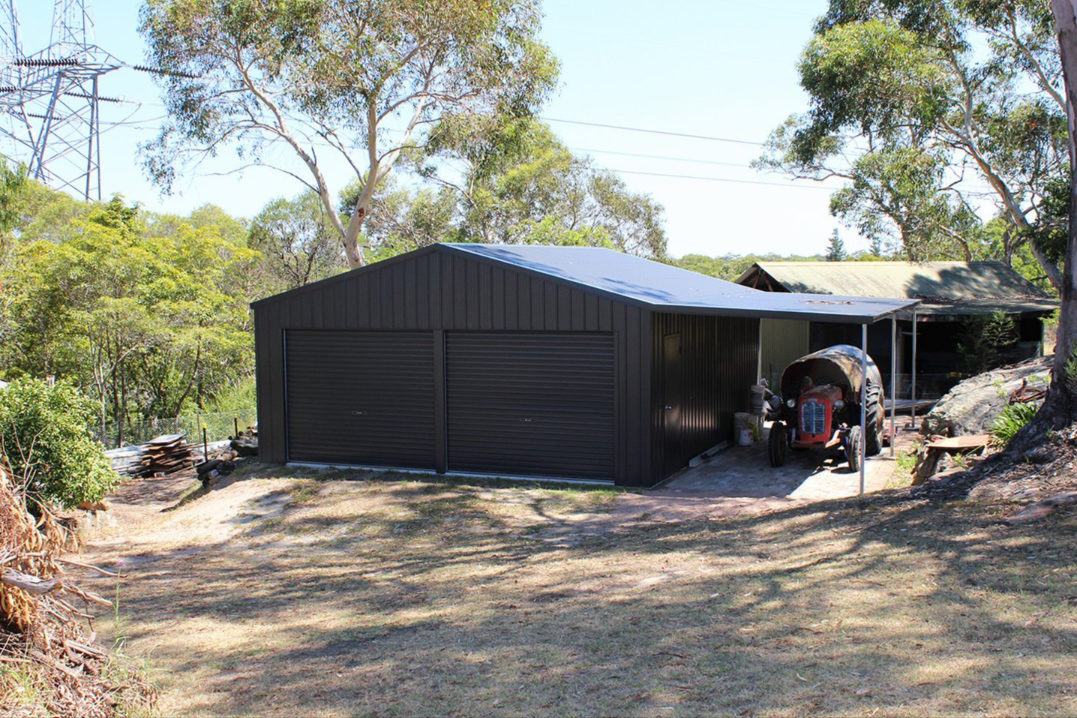
A little due diligence on your site now avoids redesigns once the plans are with the council.
Utility services and easements
Locate underground services before anyone digs for footings. Before You Dig Australia is a free service for requesting plans of underground assets. Easements can rule out building in a particular spot, and any plumbing in the shed usually needs a licensed plumber.
Plan power, water and drainage runs early as well, since trenching and downpipes affect where the shed can sit.
Wind loads and safety requirements
Wind loads are one of the biggest factors in shed design. Your site’s exposure and terrain affect the shed’s framing and footings, and your certifier will review the engineering to suit your location. Our shed slab guide explains why the base needs to match the engineered design.
Bushfire-prone land can also bring extra requirements, such as separating the shed from habitable buildings. Every Ranbuild shed is ShedSafe® accredited and made from genuine BlueScope steel and COLORBOND® steel, built for harsh Australian conditions.
Other FAQs about planning permissions
Can I live in or work from my farm shed?
A standard shed is a non-habitable Class 10a building, so sleeping or living in it changes its classification. If you want a workshop or a living area, raise it at the design stage so the right approvals are in place.
Do I need approval to extend an existing farm shed?
Extensions are usually treated as new building work, so the same checks apply. Some codes cap the combined footprint of all farm buildings on a landholding, which means a shed larger than you first planned can push you past an exemption.
How much does a farm shed permit cost?
Fees vary between councils and certifiers, and usually depend on the size and value of the project. Ask for a fee estimate when you first make contact so there are no surprises.
What happens if I build without the required approvals?
Councils can order changes to an unapproved structure or its removal. Retrospective approval is sometimes possible but never guaranteed, and an unapproved shed can complicate the sale of the property.
Get your farm shed approvals right from the start
If you’re still asking, “Do I need a permit for a farm shed?”, your local council or a private certifier can give you a firm answer for your block. Once you know your pathway, the rest of the project is much easier to plan.
Explore our farm sheds range or design your own with the free Shed Builder app. Call 1300 726 284 to talk through your shed, or find your local Ranbuild dealer for a quote and help with your site requirements.
