Find a Dealer
 1300 726 284
 Request a Quote
 Search

How to Insulate a Shed: The Ultimate Guide
In this article
- Shed insulation helps improve temperature control, reduce condensation, and make your shed more comfortable year-round.
- If you’re asking can you insulate a shed, the answer is yes — and it’s often worth it for storage, machinery, and regular use.
- The best way to insulate a shed is to insulate both the roof and walls, not just one area.
- To get the best performance, use insulation designed for steel sheds and make sure joins are properly sealed.
- If you’re wondering do you need to insulate a shed, most sheds benefit from it — especially if they’re used for work, equipment, or valuable storage.
- The best time to insulate a shed is during construction, but existing sheds can also be insulated successfully.
- Ranbuild dealers typically use reflective insulation systems designed to improve comfort, manage moisture, and support long-term shed performance.
If you’ve ever stepped into a shed in the middle of summer, you’ll know how quickly it can heat up. That same space can feel just as cold and damp in winter.
That’s why so many people start asking can you insulate a shed and whether it’s worth the effort. The answer is yes, and in most cases, it’s one of the smartest upgrades you can make.
Shed insulation helps stabilise internal temperatures, reduce condensation, and protect anything stored inside. It also turns your shed into a space you can actually use, whether that’s for work, storage, or day-to-day operations.
Do you need to insulate a shed?
You don’t always need insulation, but most sheds benefit from it.
If your shed is only storing basic tools, you might get by without it. But as soon as you’re storing machinery, equipment, or anything sensitive to temperature and moisture, insulation becomes important.
Without insulation, sheds can:
- Overheat quickly in summer
- Lose heat fast in winter
- Build up condensation and moisture
- Create uncomfortable or unusable working conditions
Insulation addresses all of these issues. It helps create a more stable environment and reduces long-term wear on both your building and what’s inside it.
For commercial, industrial, or agricultural sheds, insulation is often considered part of a complete, well-performing building rather than an optional extra.
How do you insulate a shed?
If you’re researching how to insulate a shed, it helps to understand that the process is relatively straightforward, but the details matter.
Most modern steel sheds use reflective insulation systems that are installed across the roof and walls. These systems work by reflecting radiant heat away from the building while also acting as a vapour barrier.
At a high level, insulation is installed in continuous layers, sealed at joins, and integrated with the structure so there are no gaps.
The roof insulation process
The roof is where most heat enters and escapes, so it’s the first place to get right.
For new sheds, insulation is typically installed before the roof sheeting goes on. The insulation is rolled out across the structure, running perpendicular to the roof purlins. This direction helps create consistent coverage and reduces the chance of gaps forming along the frame.
As the insulation is laid, it’s important to:
- Leave a slight sag between each purlin to improve thermal performance
- Overlap each section at the joins to maintain continuity
- Seal joins with reinforced foil tape where required to prevent air leakage
- Ensure the insulation extends neatly toward the gutter line for full coverage
Once the insulation is in place, the roof sheeting is fixed through it and into the structure. This locks everything in position and creates a continuous insulated layer across the roof.
For existing sheds, the approach is similar but done from inside the building. The insulation is fixed directly to the purlins using appropriate fasteners, spaced evenly across the width to keep it secure and taut.
Care needs to be taken around structural connections, skylights, and services:
- Cut neatly around any penetrations to minimise gaps
- Tape or seal edges where needed to maintain performance
- Work around the frame so the insulation sits cleanly without bunching
The goal is a smooth, continuous layer that covers the entire roof area without any gaps.
The wall insulation process
Wall insulation completes the building envelope and works together with the roof to control temperature and moisture.
For new sheds, insulation is usually installed before external cladding is added. It is fixed to the outside of the frame in a way that allows it to sit neatly within the wall cavity once the cladding is installed.
- Position insulation so it runs continuously across the wall frame
- Cut carefully around windows, doors, and openings for a tight fit
- Join sheets neatly and seal joins with appropriate tape
- Allow for an air gap between insulation and cladding where required to improve performance
In some cases, spacers or stand-off components are used to maintain this gap. This helps the insulation perform as intended by allowing airflow and reducing heat transfer.
Once insulation is installed, external cladding is fixed over the top in line with standard building practices.
For retrofit applications, insulation is installed from inside the shed. It is fixed to the internal frame or girts and pulled tight to avoid sagging.
During installation:
- Fasteners should be spaced evenly to hold the insulation securely
- Joins should be sealed to prevent drafts and air leakage
- Openings for windows, doors, and services should be cut cleanly to minimise gaps
A consistent, well-sealed finish across the walls is what makes the insulation effective over time.
What insulation does Ranbuild use?
Ranbuild dealers typically use reflective insulation systems like Kingspan AIR-CELL, designed specifically for steel sheds.
These products combine multiple benefits in a single system:
- Reflective foil surfaces that deflect up to 95 to 97 percent of radiant heat
- A fibre-free core that is durable and non-irritant
- Built-in vapour barrier to help manage condensation
- Fire-retardant properties for added safety
- Water resistance, making them suitable for harsh conditions
They’re also lightweight and quick to install, which helps keep projects efficient without compromising performance.
For larger commercial and industrial buildings, products like AIR-CELL Insuliner can also act as the internal lining. This simplifies construction while meeting compliance requirements for building performance.
When is the best time to insulate a shed?
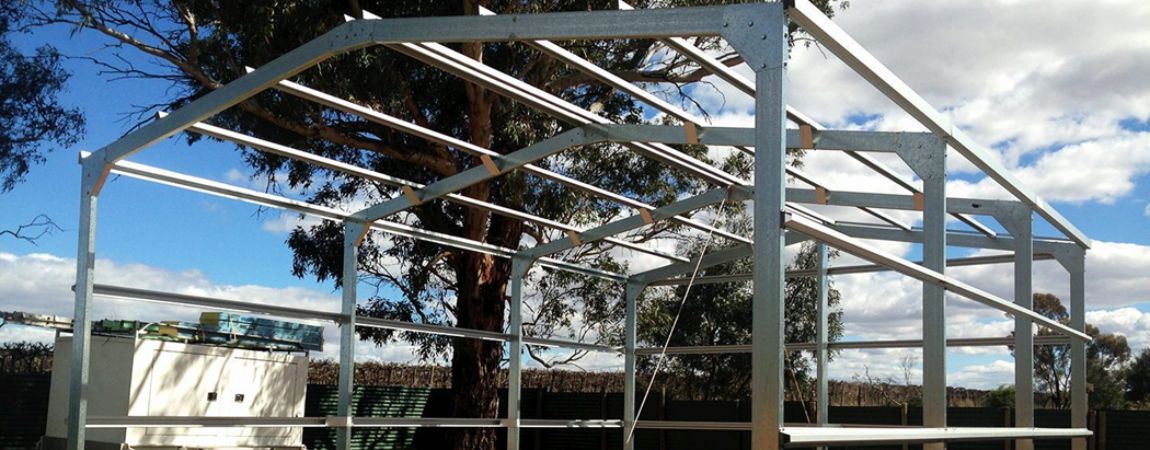
If you’re planning a new build, the best time to think about how to insulate a shed is before construction begins.
Installing insulation during the build:
- Gives full access to the structure
- Allows insulation to be integrated into the design
- Reduces installation time and labour costs
- Delivers better overall coverage and performance
Retrofitting is still possible and often effective, but it can be more complex. You may need to work around existing structures, which can limit access and increase installation time.
Can you insulate a shed yourself, or should you use a professional?
Many people ask how to insulate a shed because they’re considering a DIY approach.
In smaller sheds, DIY installation can be a practical option, especially with lightweight insulation rolls designed for easy handling.
However, for larger buildings or commercial projects, working with a professional is usually the better choice.
With a Ranbuild dealer, insulation is:
- Planned as part of the overall building design
- Matched to your specific structure and use
- Installed using proven methods for performance and compliance
- Delivered as part of a complete, end-to-end solution
This reduces the risk of gaps, poor sealing, or installation issues that can affect performance over time.
How to insulate a shed the right way
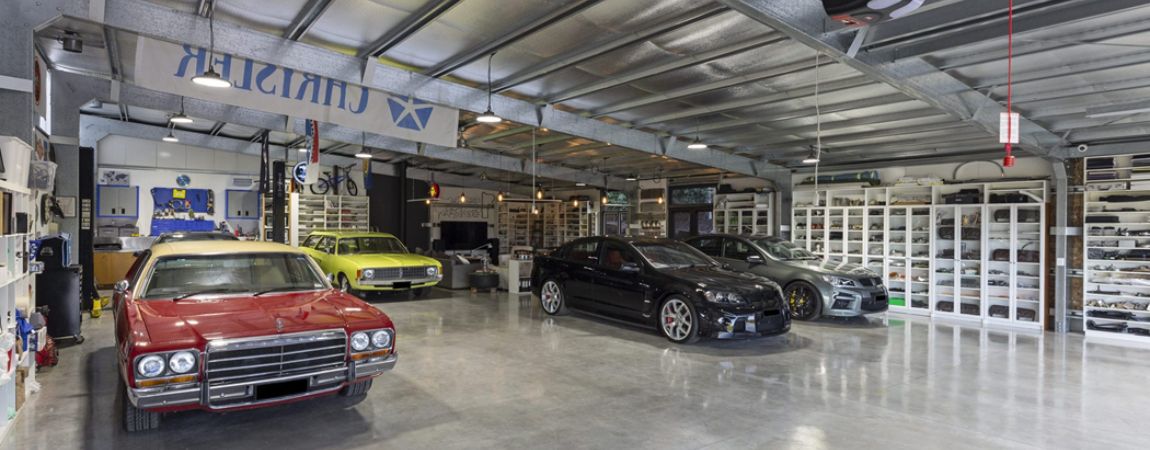
No matter the size of your project, the same principles apply.
To get the best results:
- Insulate both the roof and walls, not just one area
- Ensure joins are properly sealed with appropriate tape
- Allow correct spacing and air gaps where required
- Cut neatly around openings to avoid gaps
- Choose insulation designed for steel buildings
Small details like sealing joins and allowing the correct sag between purlins can have a big impact on performance.
Ranbuild sheds can be properly insulated for tough Australian conditions
At Ranbuild, shed insulation is part of delivering a complete, reliable building.
Our sheds are custom-engineered to your needs and built using cold-formed steel backed by BlueScope. Insulation is considered early in the process to ensure your building performs in real Australian conditions.
That means:
● Better temperature control year-round
● Reduced condensation and moisture issues
● A more usable and comfortable internal space
● Long-term durability for your building and contents
Speak to your local Ranbuild dealer today
Whether you’re still asking “do you need to insulate a shed” or you’re ready to move forward, speaking with an expert makes the process easier.
Your local Ranbuild dealer can guide you through insulation options, building design, and installation, ensuring your shed is set up for long-term performance. Find your nearest dealer today!